Michican Contracting License #242200410
Michican Septage Pumping License #SH-1774

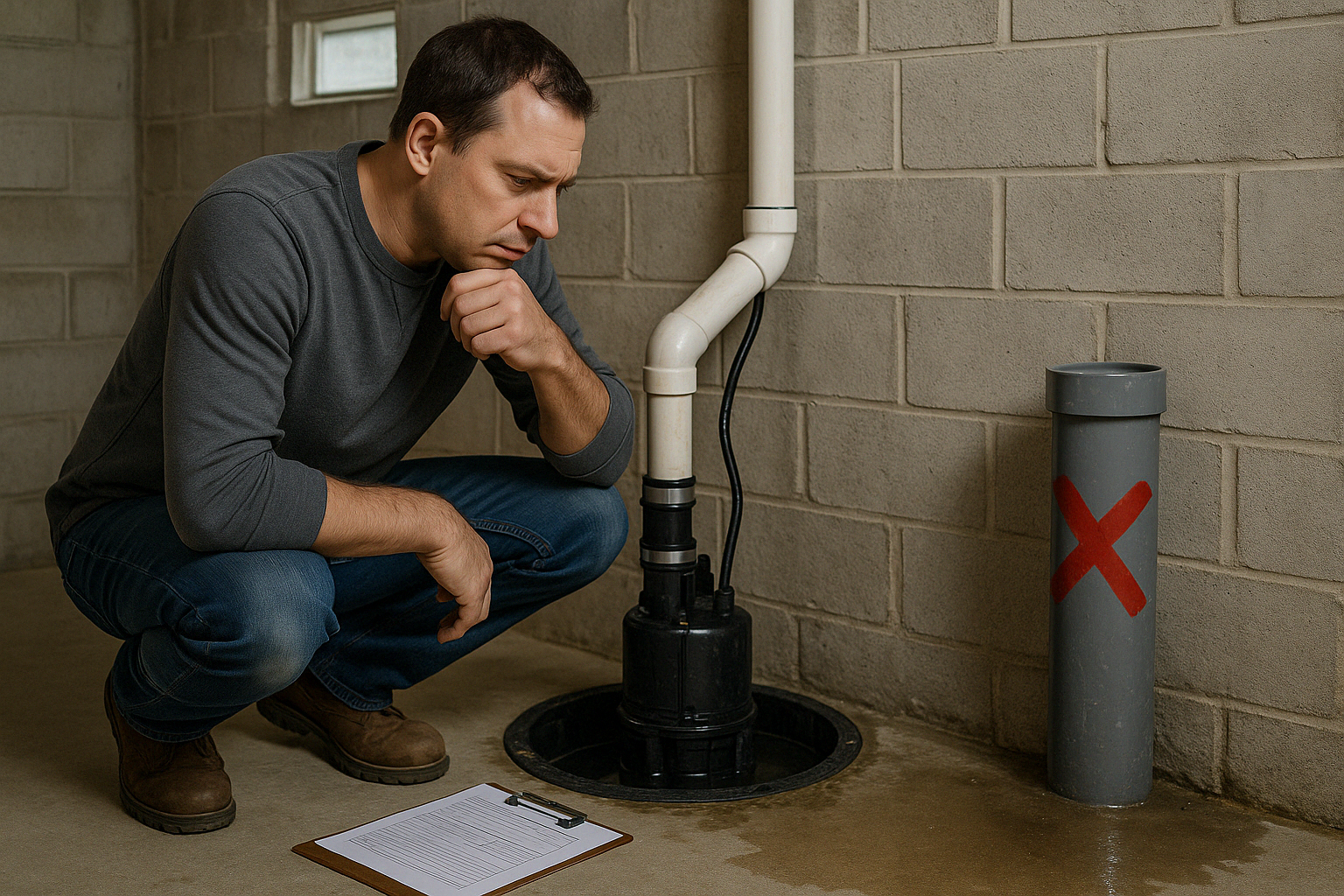
If you’ve ever wondered is it legal to drain sump pump into sewer, you’re not alone. Homeowners often ask this question when trying to manage water accumulation in basements or crawl spaces. In today’s post, we’ll break down the legal and practical aspects of sump pump drainage, help you understand where your sump pump should drain, and discuss what a sump pump sewer system is. So, let’s get started in a simple, straightforward way.
Before diving into the legal concerns, let’s review why homeowners use sump pumps. A sump pump is a device typically installed in the lowest part of a basement or crawl space. Its job is to remove water that accumulates due to rain, melting snow, or groundwater seepage. When water collects in the sump pit, the pump activates, ejecting the water away from the home’s foundation to reduce the risk of flooding and structural damage.
A common dilemma for many is figuring out the best way to dispose of this water. Some homeowners consider routing the water into the local sewer system, which leads us to our main question.
Sump pumps serve as essential installations within basements or crawl spaces, performing the critical function of flood prevention and mitigation of structural impairment. These devices efficiently evacuate accumulated water resulting from precipitation, snowmelt, or groundwater seepage, redirecting it away from the building’s foundation.
Nevertheless, the matter of effluent disposal from sump pumps presents frequent concerns for property owners. A prevalent consideration is the channeling of such water into the municipal sewer system, which consequently introduces significant legal and operational inquiries.
In many places, local regulations and municipal codes strictly regulate how your sump pump’s discharge should be managed. So, is it legal to drain sump pump into sewer? The answer often depends on the city or county’s rules. Generally speaking, many municipalities do not allow homeowners to drain the sump pump water directly into the sewer system. This restriction is due to a number of reasons:
Because of these reasons, it is common to find that many local codes prohibit draining water from a sump pump into the sewer. If you’re considering this option, it is crucial to check with your local building department or municipality.
So, where does a sump pump drain to if not the sewer? In most cases, the water is directed to a designated drainage area on your property. Common drainage solutions include:
Knowing where does a sump pump drain to is key to ensuring your system is legal and effective. Each method has benefits and potential drawbacks, depending on local regulations and site-specific factors such as soil permeability and proximity to water sources.
Another term you might come across is sump pump sewer. Essentially, a sump pump sewer is a setup where water from a sump pump is directed into a sewer system. However, as we’ve already noted, this is generally not allowed in many areas due to potential overload and environmental hazards. Even if it were technically feasible, the increased cost and complications from potential backups and maintenance issues make it an unappealing option for most homeowners.
In fact, overloading your septic system with excess water from improper sump pump drainage can lead to more frequent pumping and increased septic tank pumping costs.
A better solution is usually to have your sump pump discharge water where it can be safely absorbed or directed away from your building’s foundation. This not only complies with local rules but also reduces the risk of costly repairs.
When considering is it legal to drain sump pump into sewer, it’s important to look at both the legal standpoint and the practical implications. Legally, your local municipality’s codes and regulations are the ultimate authority. Practically, even if it were allowed, the risks of overwhelming the sewer system and causing backups are significant.
If you’re not sure whether your current sump pump setup is compliant, it may be worth consulting a licensed plumber or your local building authority. They can offer guidance tailored to your area and help ensure your system is installed in a way that protects both your property and the environment.
Many homeowners have questions regarding sump pump drainage. Here are a few common ones:
Q: Is it always illegal to drain sump pump water into the sewer?
A: Not necessarily. It varies by location. In many places, local ordinances strictly prohibit it. Always check with your local authorities before making any changes.
Q: What if my property doesn’t allow for a traditional drain?
A: In such cases, alternative methods like dry wells or French drains may be recommended. Your professional plumber can suggest the best option for your property.
Q: What are the benefits of alternative drainage methods?
A: Alternative methods help prevent sewer overload, reduce the risk of backups, and are often easier to maintain in the long run.
Q: How do I know if my sump pump is discharging correctly?
A: Regular inspections and maintenance are key. If you notice water pooling around your property or slow drainage, it could be a sign that your sump pump needs servicing.
Maintaining your sump pump properly not only ensures it works when you need it most but also extends its lifespan and protects your home from water damage. Regular maintenance includes periodic inspections, cleaning out sediment, and verifying that the pump is discharging water to the correct location.
If you’re experiencing issues or have concerns about whether your sump pump is set up correctly, now is the time to call a professional. Incorrect discharge not only poses legal risks but can also result in costly repairs and potential damage to your home.
If you’re questioning is it legal to drain sump pump into sewer or wondering where does a sump pump drain to, here are some tips:
By taking these steps, you can protect your property, avoid legal issues, and ensure your home’s septic and drainage systems are efficient and effective.
Here at AdeptSeptic, we’re dedicated to helping homeowners and businesses understand and maintain their drainage systems effectively. While is it legal to drain sump pump into sewer can be a confusing question, our friendly team is here to help you navigate the complexities. We provide clear explanations, reliable service, and expert advice so that you’re never left in the dark about your sump pump system.
Our goal is to offer solutions that protect your property and the environment. We advocate for proper drainage practices and work hard to ensure that every system we service is in full compliance with local regulations. With our support, you can have confidence that your sump pump is installed and maintained to the highest standards.
If you have questions such as is it legal to drain sump pump into sewer or where does a sump pump drain to, don’t hesitate to reach out to us. Our experienced professionals are here to provide guidance and help you set up your system correctly. Call us at 888-800-1472 or visit our homepage to learn more. We’re here to support you with friendly, local expertise that you can trust.


AdeptSeptic Services provides reliable septic tank pumping, inspections, cleaning, repairs, installations, and porta potty rentals across Hastings, Barry County, and surrounding communities. Professional, local service you can trust.